
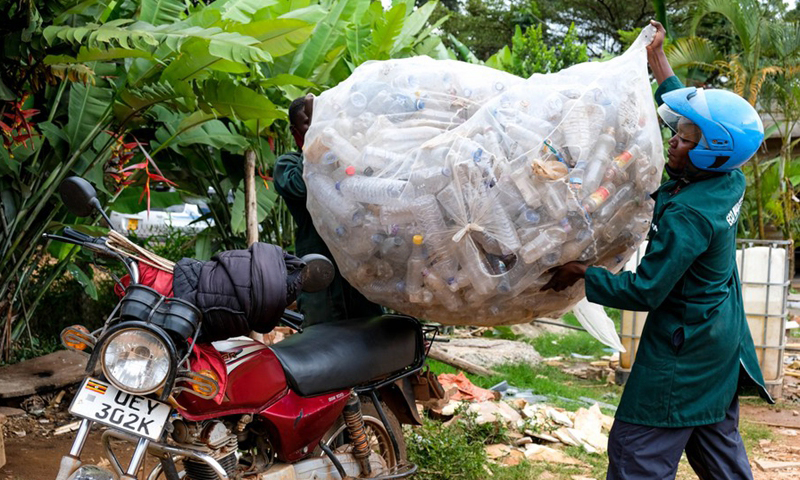
Plastic waste is piling up across communities at an alarming rate. Streets, drainage channels, markets and waterways are increasingly becoming dumping grounds for plastic bottles, bags, packaging and other single-use materials.
While citizens, community groups and waste workers continue to grapple with the problem, concerns are growing over what many see as inadequate government action to address the plastic waste crisis.
The result is a growing environmental problem that threatens public health, urban infrastructure and livelihoods.
A Problem That Keeps Growing
Plastic has become an unavoidable part of everyday life. From food packaging and bottled drinks to shopping bags and household products, plastic is used extensively because it is cheap, lightweight and convenient.
The problem begins when these products are discarded.
Unlike organic waste, most plastics do not decompose quickly. They can remain in the environment for decades, breaking down into smaller particles while continuing to pollute land and water.
In many communities, waste collection systems have struggled to keep pace with the volume of waste being generated. Where collection is irregular or unavailable, residents may resort to dumping waste in open spaces, drainage channels and waterways.
Where Is the Government?
Governments have a central role to play in creating effective waste-management systems. This includes establishing and enforcing environmental regulations, supporting waste collection infrastructure, regulating plastic production and disposal, and creating conditions that encourage recycling.
Yet enforcement remains a persistent challenge.
Policies and regulations may exist on paper, but their effectiveness depends on implementation. When illegal dumping continues openly and waste-management standards are poorly enforced, the burden falls disproportionately on communities and individuals.
This creates a frustrating situation: citizens are repeatedly encouraged to keep their surroundings clean, while the systems needed to support responsible waste management remain inadequate.
The Cost of Inaction
Government inaction on plastic waste has consequences that extend far beyond unsightly streets.
Plastic waste can block drainage systems, increasing the risk of flooding during heavy rains. It can contaminate rivers and other water sources and harm wildlife when it enters natural ecosystems.
There are also economic costs.
Local authorities may have to spend more resources cleaning up accumulated waste, while businesses and communities bear the consequences of polluted public spaces. Waste workers and informal recyclers, meanwhile, often operate under difficult conditions while providing an essential service to their communities.
The longer the problem is allowed to grow, the more expensive and difficult it becomes to address.
Communities Are Already Doing Their Part
Despite limited resources, communities have not remained idle.
Waste collectors, recycling initiatives, environmental organisations, youth groups and women's groups are increasingly stepping in to collect, sort and recover plastic waste.
Their efforts demonstrate that there is both willingness and potential to tackle the problem.
But community action alone cannot replace an effective public waste-management system.
Individuals can collect plastic from a street, but they cannot independently establish a city-wide collection network. Community groups can organise clean-ups, but they cannot replace consistent enforcement and investment in recycling infrastructure.
The responsibility has to be shared.
From Complacency to Action
Addressing the plastic waste crisis requires governments to move beyond occasional clean-up campaigns and short-term responses.
Authorities need to strengthen waste collection systems, enforce existing environmental regulations and invest in recycling and waste-recovery infrastructure.
There is also a need to support the people already working within the recycling value chain. Formalising and strengthening partnerships with waste collectors and recycling businesses could create jobs while increasing the amount of plastic recovered from the environment.
At the same time, manufacturers and businesses must take greater responsibility for the plastic packaging they introduce into the market.
Reducing plastic pollution cannot be left entirely to consumers.
The Time for Action Is Now
Plastic waste is not a problem that will disappear on its own.
Every bottle, bag or piece of packaging that is improperly discarded adds to a problem that communities will eventually have to pay to clean up.
The growing presence of plastic waste should therefore be treated as a warning rather than simply an issue of cleanliness.
Governments have the authority and responsibility to build systems that make responsible waste management possible. Communities have demonstrated that they are willing to participate.
What is needed now is stronger leadership, consistent enforcement and sustained investment.
The longer meaningful action is delayed, the greater the environmental and economic cost will be. The plastic waste crisis requires more than promises and clean-up days—it requires a functioning system capable of preventing plastic from becoming waste in the first place.