
Uganda is blessed with remarkable natural resources, from its lakes, rivers and wetlands to its forests, farmland and diverse wildlife. These resources support millions of livelihoods and play an important role in the country’s economy.
But increasing urbanisation, population growth, deforestation, wetland encroachment, poor waste management and pollution are putting growing pressure on the environment.
Environmental destruction is not only a conservation issue. It affects food production, access to clean water, public health, livelihoods and the resilience of communities to climate change.
The good news is that the damage can be reduced. Uganda already has many of the tools needed to protect its environment. What is required is stronger implementation, community participation and sustained investment.
Strengthen Environmental Law Enforcement
Uganda has environmental laws and institutions designed to protect natural resources. The challenge is ensuring that these laws are consistently implemented.
Illegal wetland encroachment, uncontrolled dumping, forest destruction and pollution should not become normalised simply because enforcement is difficult.
Authorities need adequate resources to monitor environmental violations and take appropriate action. Enforcement should also be transparent and consistent, regardless of the size or influence of those involved.
Strong environmental governance can discourage destructive practices while giving responsible businesses and communities clearer rules to follow.
Make Waste Management a Priority
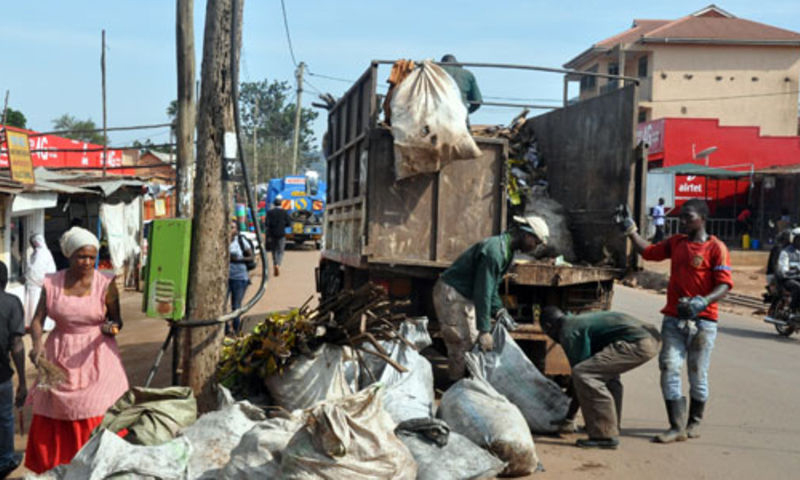
Uganda's rapidly growing towns and cities are generating increasing amounts of waste. Plastic waste in particular has become a visible problem, finding its way into streets, drainage channels, wetlands and waterways.
Improving waste management requires more than occasional clean-up campaigns.
Local authorities need reliable collection systems, properly managed disposal facilities and greater investment in recycling and waste recovery. Communities should also have access to convenient ways of separating recyclable materials from other waste.
A stronger recycling sector could simultaneously reduce pollution and create employment opportunities, particularly for young people and women already participating in waste collection and recycling.
Protect Wetlands and Waterways
Wetlands are among Uganda's most valuable ecosystems. They help regulate water, support biodiversity and provide resources for surrounding communities.
Yet wetlands continue to face pressure from construction, agriculture, industrial activity and other forms of development.
Protecting them requires clear boundaries, effective monitoring and meaningful enforcement. At the same time, communities that depend on natural resources need sustainable alternatives that allow them to earn livelihoods without destroying the ecosystems on which those livelihoods depend.
Rivers and lakes also require stronger protection from untreated sewage, industrial pollution, agricultural runoff and solid waste.
Restore Uganda's Forests
Deforestation remains a major environmental concern. Forests provide timber and other resources, store carbon, protect soils and support biodiversity.
Restoration efforts should therefore go beyond planting trees and counting seedlings.
Trees need to survive.
Communities should be involved in selecting appropriate tree species, protecting young trees and managing restored areas. Agroforestry can also provide farmers with additional sources of income while improving soil health and reducing pressure on natural forests.
Put Communities at the Centre
Environmental protection cannot succeed through government action alone.
The people living alongside forests, wetlands, rivers and other ecosystems are often the first to see environmental changes. Their knowledge and participation can therefore make conservation programmes more effective.
Community environmental groups, schools, women's organisations, youth groups and local businesses can all play a role in protecting natural resources.
When communities see direct economic and social benefits from conservation, environmental protection becomes more sustainable.
Build a Circular Economy
Uganda can also turn part of its environmental challenge into an economic opportunity.
Instead of treating waste simply as something to collect and dispose of, materials such as plastics, paper, metals and other recyclables can be recovered and reused.
A stronger circular economy would require investment in collection networks, recycling facilities, skills development and markets for recycled materials.
This approach could reduce the amount of waste entering the environment while creating new businesses and employment opportunities.
Make Environmental Education Part of Everyday Life
Long-term environmental protection starts with awareness.
Schools can teach children practical environmental habits, while communities can receive information on waste separation, sustainable farming, forest protection and responsible use of water resources.
Businesses should also understand their environmental responsibilities.
Education is most effective when it is connected to practical opportunities. Telling people not to dump waste, for example, has limited impact if there is no reliable waste collection service available.
Development and Environmental Protection Must Work Together
Uganda does not have to choose between economic development and environmental protection.
The two can reinforce each other.
Clean cities can support tourism and business. Sustainable agriculture can protect soil while improving food security. Recycling can create jobs while reducing pollution. Renewable energy can expand access to power while reducing dependence on environmentally damaging fuels.
The goal should be development that does not destroy the natural systems future generations will depend on.
A Shared Responsibility
Uganda's environmental challenges are significant, but they are not impossible to solve.
Government has a responsibility to provide effective laws, enforcement, infrastructure and investment. Businesses must reduce pollution and take responsibility for the environmental impact of their operations and products. Communities and individuals also have an important role in responsible resource use and waste management.
No single group can reverse environmental destruction alone.
Uganda's forests, wetlands, lakes and rivers are national assets. Protecting them is ultimately an investment in the country's economy, public health and future.
The solution is not one major intervention. It is the consistent implementation of many practical solutions—stronger enforcement, better waste management, ecosystem restoration, community involvement, environmental education and a shift towards a circular and sustainable economy.
Uganda can protect its environment while continuing to develop. What matters now is turning environmental commitments into sustained action.