
East African cities are growing rapidly. New neighbourhoods are expanding, businesses are multiplying and urban populations continue to increase. With this growth comes another reality: more waste.
From Kampala and Nairobi to Dar es Salaam, Kigali, Addis Ababa and Juba, cities across the region are facing growing pressure to collect, transport, treat and dispose of increasing volumes of municipal waste.
Waste management has therefore become more than a question of keeping streets clean. It is increasingly connected to public health, environmental protection, urban planning, employment and the quality of life of city residents.
A Growing Urban Waste Challenge
Urbanisation has changed consumption patterns across East Africa. Packaged foods, bottled drinks, takeaway meals and other consumer products have become increasingly common, generating significant quantities of plastic, paper, organic and other forms of waste.
However, waste-management systems have not always expanded at the same pace as urban growth.
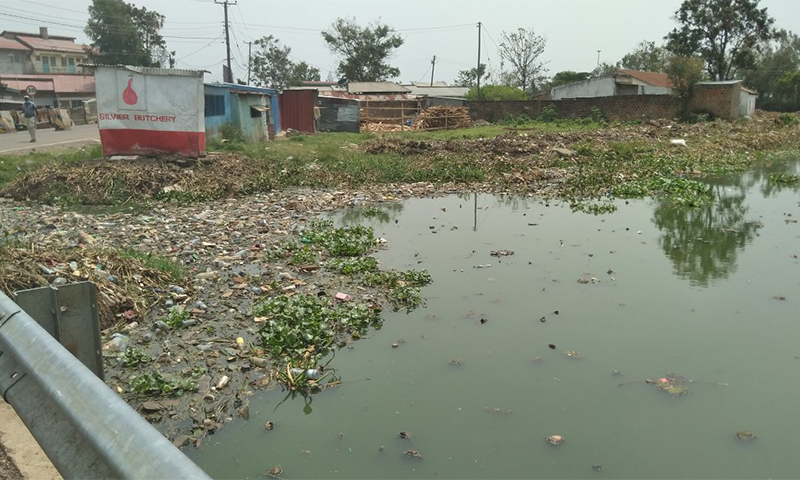
In some neighbourhoods, collection services remain irregular or unavailable. Where waste is not collected, residents may resort to dumping it in open spaces, drainage channels or waterways.
The consequences are particularly visible during heavy rains, when blocked drainage systems can contribute to flooding.
Collection Remains a Major Challenge
One of the most important stages of waste management is also one of the most difficult: getting waste from households and businesses to appropriate treatment or disposal facilities.
Rapidly expanding cities often have areas that are difficult for conventional waste trucks to reach. Informal settlements, narrow roads and unplanned developments can make collection expensive and complicated.
As a result, collection coverage can vary significantly between neighbourhoods.
Improving collection requires investment not only in trucks, but also in transfer stations, storage points, route planning and systems that can reach underserved communities.
The Plastic Waste Problem
Plastic waste is particularly challenging because of its durability and widespread use.
Plastic bottles, bags, wrappers and packaging can easily escape formal waste-management systems. Once they enter drainage channels and waterways, they can travel considerable distances.
Cities located within the catchments of major rivers and lakes face an additional challenge because urban plastic waste can eventually contribute to pollution downstream.
Reducing this problem requires action at multiple points—from reducing unnecessary single-use plastics and improving collection to establishing stronger recycling and recovery systems.
Landfills and Disposal Sites Under Pressure
Where waste is collected, it ultimately needs somewhere to go.
Many East African cities continue to rely heavily on dumpsites or landfills. Rapid urban growth can put these facilities under increasing pressure as the amount of waste generated rises.
Poorly managed disposal sites can create environmental and public-health concerns, particularly where waste is burned openly, leachate is not adequately controlled or surrounding communities are exposed to pollution.
The long-term solution is not simply to create bigger dumpsites. Cities need to reduce the amount of waste requiring disposal through prevention, reuse, recycling, composting and other forms of recovery.
The Informal Sector Is Already Part of the System
One of the most important but often overlooked components of urban waste management is the informal sector.
Waste pickers and informal collectors recover recyclable materials from households, streets, markets, collection points and disposal sites. They provide a valuable service by diverting materials away from disposal and returning them to productive use.
However, many operate under difficult conditions.
Providing safer working environments, protective equipment, training, fair access to markets and opportunities to organise into cooperatives can strengthen their contribution while improving their livelihoods.
Kigali's Experience
Kigali is frequently associated with its emphasis on cleanliness and environmental management. Its experience demonstrates the potential impact of consistent public participation, enforcement and organised urban management.
But different cities have different population sizes, infrastructure, resources and urban structures. What works in one city cannot simply be copied elsewhere.
The broader lesson is that effective waste management requires sustained investment, clear responsibilities and cooperation between authorities, businesses and residents.
Nairobi, Kampala and Dar es Salaam
Large cities such as Nairobi, Kampala and Dar es Salaam face many of the same pressures: rapid population growth, increasing waste generation, limited infrastructure and challenges in ensuring reliable collection across all neighbourhoods.
Yet each city also has an expanding network of private waste companies, community organisations, recyclers and entrepreneurs working to fill gaps in the formal system.
These actors represent an important opportunity.
Rather than treating waste management purely as a municipal expense, cities can develop partnerships that support recycling, resource recovery and private-sector innovation.
Turning Waste into Value
East African cities have an opportunity to move beyond a "collect and dump" approach.
Organic waste can be composted or processed into other useful products. Plastics, metals, paper and other materials can be recovered and recycled. Businesses can develop products using recovered materials, creating value from resources that would otherwise be discarded.
This circular-economy approach can reduce pressure on disposal sites while creating employment and new businesses.
For it to work, however, cities need reliable collection and sorting systems and markets for recovered materials.
What Needs to Change?
Improving waste management across East African cities requires action on several fronts.
First, collection systems need to expand. Every household and business should have access to reliable and affordable waste collection.
Second, recycling and recovery infrastructure needs investment. Waste should increasingly be viewed as a resource rather than something that simply needs to be buried or burned.
Third, enforcement must improve. Illegal dumping and environmentally harmful disposal practices undermine formal waste-management systems.
Fourth, communities need to be involved. Public awareness is important, but awareness must be matched with accessible waste services.
Finally, waste workers need recognition and support. The people already collecting and recovering materials are an essential part of the solution.
A Regional Challenge Requires Regional Cooperation
Waste does not respect city or national boundaries.
Plastic discarded in one community can enter a river and eventually reach a lake or another country. Environmental challenges affecting shared ecosystems therefore require cooperation between neighbouring countries.
East African cities can learn from each other's experiences, share technologies and develop common approaches to recycling, waste reduction and environmental protection.
Regional cooperation can also help create larger markets for recycled materials and encourage investment in circular-economy businesses.
The Road Ahead
Waste management in East African cities is at an important crossroads.
Urban populations will continue to grow, and consumption is likely to increase. Without improvements in waste systems, the environmental and public-health consequences could become more difficult and expensive to manage.
But the region also has an opportunity.
Better collection, stronger recycling industries, community participation, responsible businesses and supportive public policies can transform urban waste management.
The goal should not simply be cleaner streets. It should be cities where waste is reduced, resources are recovered and disposal is treated as the last option.
East Africa's cities are growing. Their waste-management systems must grow with them—not only in size, but in efficiency, sustainability and innovation.