
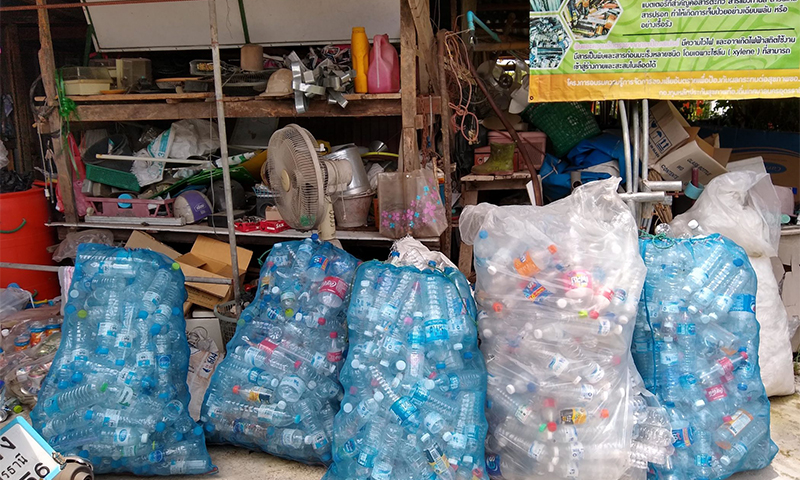
Packaging is everywhere. From the food we buy to the products delivered to our homes, packaging plays an important role in protecting goods, extending shelf life and making transportation easier.
But there is a growing problem: much of the packaging we use today becomes waste almost immediately after a product is purchased.
Plastic bags, wrappers, bottles, containers and other single-use packaging can remain in the environment for years while contributing to pollution and putting pressure on already struggling waste-management systems.
This is why green packaging is becoming increasingly important.
What Is Green Packaging?
Green packaging refers to packaging designed to reduce its environmental impact throughout its life cycle.
It can involve using renewable, recycled or recyclable materials, reducing the amount of material used, designing packaging that can be reused, or making it easier to recover materials after use.
The goal is simple: provide the protection and convenience businesses and consumers need while reducing unnecessary environmental harm.
Reducing the Amount of Waste
One of the biggest advantages of green packaging is its potential to reduce waste.
Traditional packaging often contains more material than necessary, particularly when products are individually wrapped or packaged in layers.
Businesses can reduce their environmental footprint by redesigning packaging to use fewer materials without compromising the safety of the product.
Less material means less waste to collect, transport and dispose of.
Moving Away from Single-Use Packaging
Single-use packaging presents a particular challenge because it is designed to be discarded after one use.
Green packaging encourages alternatives.
Reusable containers, refill systems and durable packaging can reduce the number of items entering the waste stream. Where single-use packaging is necessary, materials that are easier to recover and recycle can help reduce the amount that ends up in landfills or the environment.
The most sustainable option will depend on the product, its supply chain and how consumers are able to dispose of the packaging.
Green Packaging Can Support Recycling
Good packaging design can make recycling easier.
Packaging made from compatible and easily identifiable materials is generally easier to sort and recover. Complicated combinations of different materials can make recycling more difficult and expensive.
Businesses can therefore contribute to a circular economy by thinking about what happens to their packaging after the customer is finished with the product.
Instead of designing packaging only for its first use, companies can design it with its next use in mind.
An Opportunity for Businesses
Going green is not only about environmental responsibility. It can also create opportunities for businesses.
Consumers are increasingly paying attention to how products are made and packaged. Companies that reduce unnecessary packaging and demonstrate credible environmental practices can strengthen their relationship with environmentally conscious customers.
Green packaging can also encourage innovation.
Businesses may discover new materials, more efficient packaging designs and new reuse or recycling models that reduce costs and waste over time.
Supporting Local Recycling and Jobs
The transition to greener packaging can also contribute to local economies.
Greater demand for recyclable and reusable materials can support businesses involved in collection, sorting, recycling and manufacturing.
For communities already dealing with plastic pollution, stronger recycling markets can create opportunities for waste collectors and recycling enterprises while reducing the amount of material that ends up in streets, drainage systems and waterways.
Green packaging can therefore be part of a broader shift towards a circular economy in which materials remain in use for as long as possible.
Consumers Have a Role Too
Businesses cannot make the transition alone.
Consumers can support green packaging by choosing products that use less packaging, reusing containers where possible and separating recyclable materials from other waste.
Small decisions made by millions of consumers can influence what businesses produce and how they package their products.
However, consumers also need the right infrastructure. Recycling is difficult when collection systems and recycling facilities are unavailable. Creating a greener packaging system therefore requires cooperation between businesses, consumers, governments and waste-management organisations.
Green Packaging Is an Investment in the Future
The shift towards green packaging will not happen overnight. Businesses may face higher costs when introducing new materials or redesigning production processes. Consumers may also need to adjust to new packaging formats.
But the long-term cost of continuing with wasteful packaging should also be considered.
Plastic pollution, overflowing waste facilities, blocked drainage systems and polluted waterways all carry environmental and economic costs.
Green packaging offers a way to address part of the problem at its source.
The Way Forward
The future of packaging should not simply be about producing more containers, bags and wrappers. It should be about designing packaging that uses resources responsibly and remains useful for as long as possible.
Businesses can reduce unnecessary materials, embrace reusable systems and design products with recycling in mind. Governments can support responsible packaging through appropriate policies, standards and infrastructure. Consumers can make informed choices and dispose of packaging responsibly.
Green packaging is not a perfect solution to the world's waste problem. But it is an important step towards reducing unnecessary waste and building a more sustainable economy.
The best time to rethink packaging is before it becomes waste. By designing for reuse, recovery and recycling, we can move from a throwaway culture towards a system where packaging works for both people and the planet.